Seal the attic under the roof deck, so upstairs rooms stop baking in summer and the AC stops running all afternoon.
Tell us about your project. We reply fast.
In South Mississippi, the attic is where summer gets into the house. On a July afternoon an attic can climb well past 130°F, and in most homes the ductwork and air handler sit right in that heat. Insulation on the attic floor slows some of it, but air still leaks through the gaps around lights, vents, wiring and top plates. We spray open-cell foam under the roof deck (closed-cell where moisture or space calls for it), which seals and insulates the attic in one layer and brings the ducts inside the cooled part of the house.
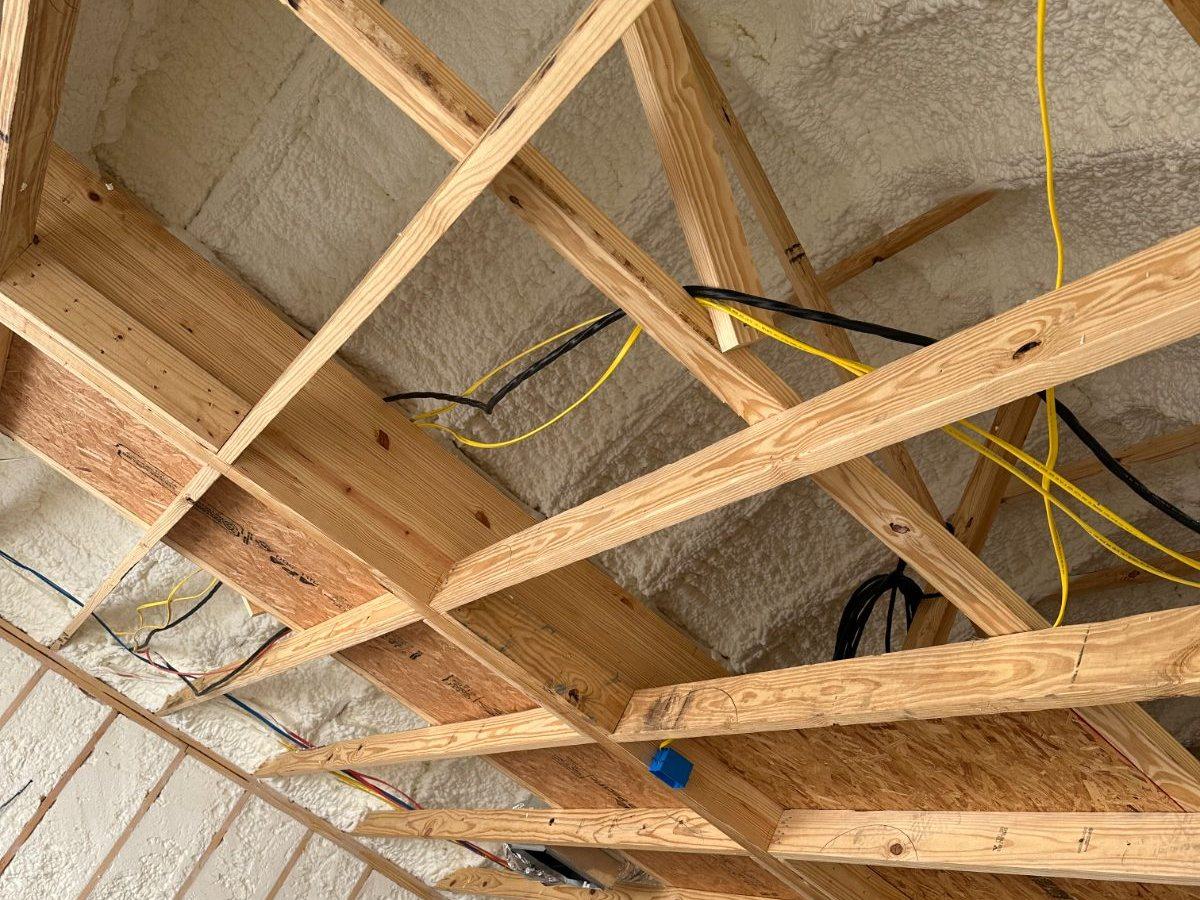
Attic jobs depend on the roof area, the foam type and the thickness the roofline needs. Every job is different, so we measure in person and give you a free written quote with each area, the foam type and the thickness spelled out. The number on the quote is the number you pay.
Get My Free QuoteFiberglass slows heat but lets air leak straight through. Spray foam fills every gap as it insulates, so the air you pay to cool stays inside.
Open-cell where you want air sealing and sound control, closed-cell where moisture, raised floors or metal buildings call for it. We don't sell one foam for everything.
Our crew works on HVAC systems every day, so we insulate with the AC and ductwork in mind, not just the R-value on paper.
Most bad spray foam jobs go wrong for the same few reasons. Here’s what to check before you hand anyone a deposit:
Open-cell and closed-cell do different jobs. A good installer tells you which goes where and why, instead of quoting one foam for the whole house.
A quote should list the foam type and the thickness for each area. A low price with no thickness listed usually means thin foam.
In a Southern home the ducts usually run through the attic. Sealing the attic changes how the system works, so ask whether the installer understands HVAC.
Foam in attics, crawl spaces and living areas may need a protective coating or covering, depending on how the space is used. A pro knows the local requirements.
Foam isn't a fix for a leaking roof or standing water in a crawl space. A good installer checks for moisture and tells you if something needs repair before spraying.
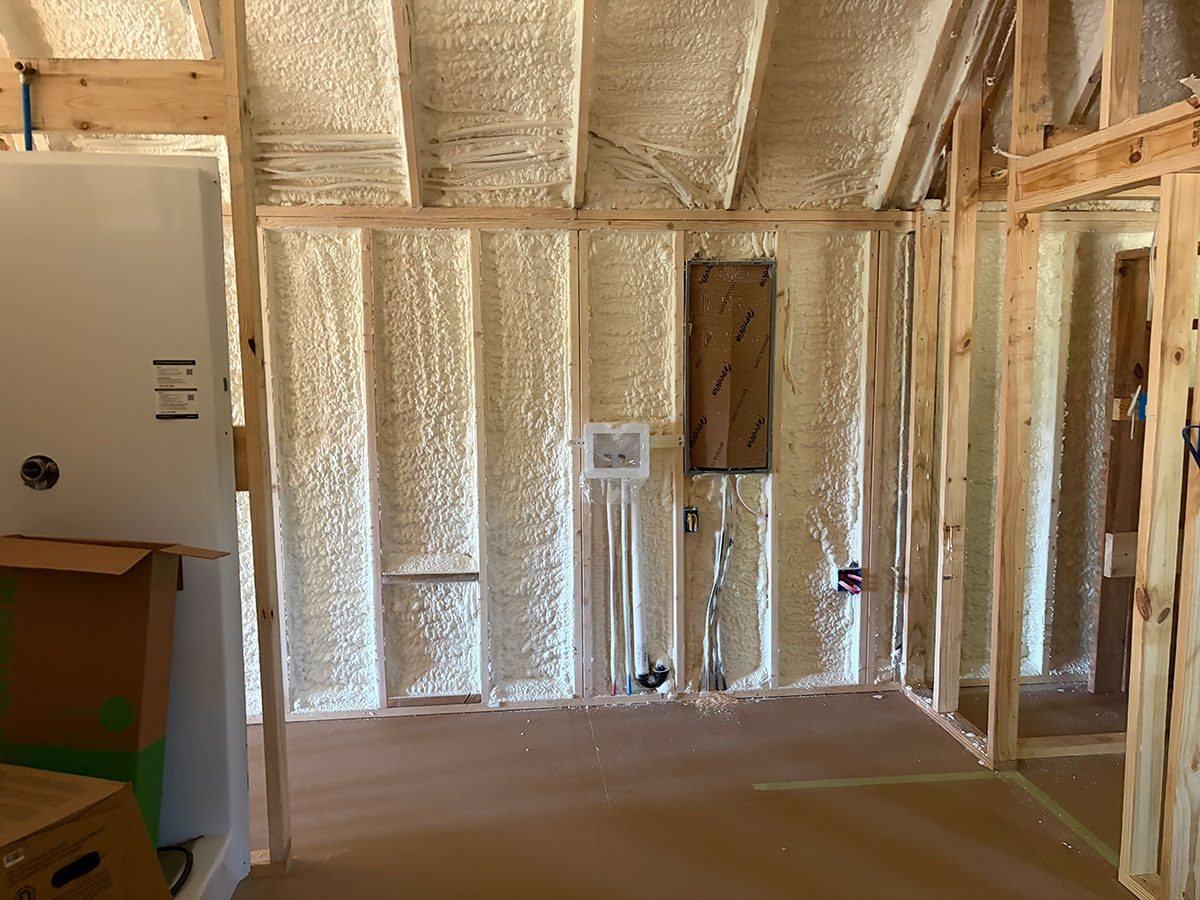
Open- or closed-cell foam in open stud walls for new construction, additions, remodels and bonus rooms.
Learn more →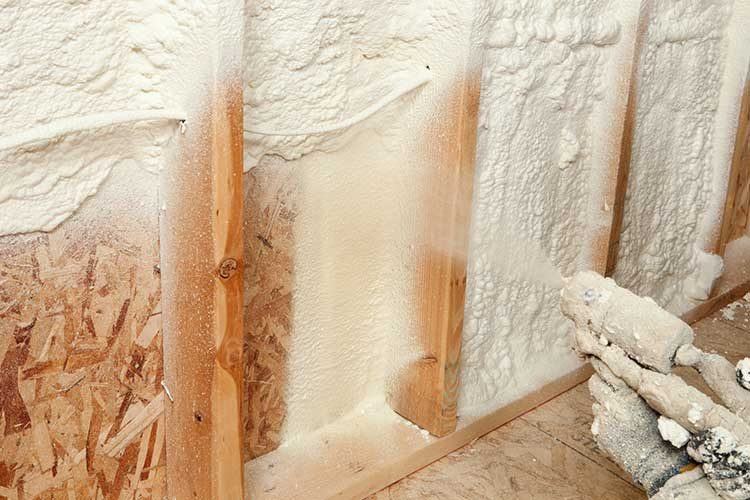
Closed-cell foam under raised floors and on crawl space walls: warmer floors in winter, less damp air in summer.
Learn more →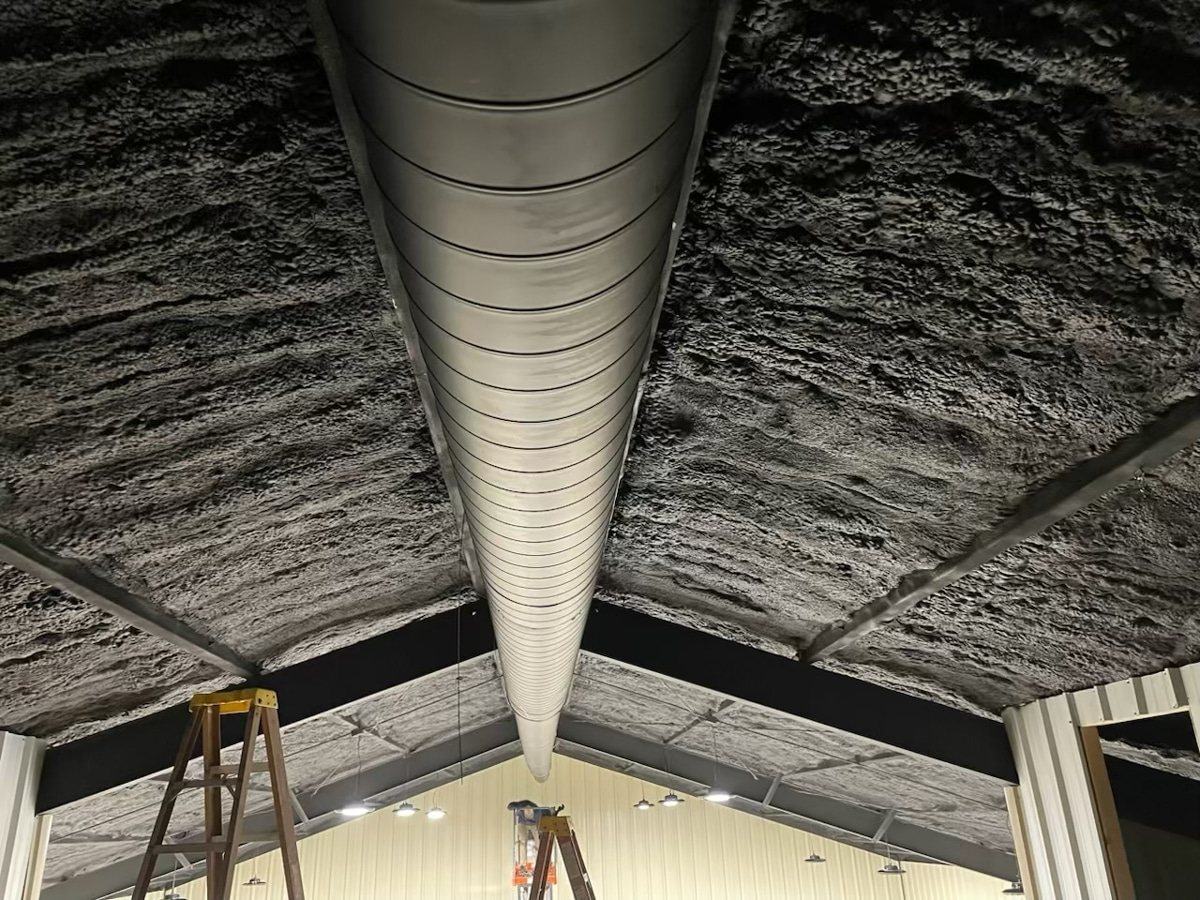
Closed-cell foam for shops, pole barns, garages and metal buildings. Stops the roof from sweating and makes the space usable in August.
Learn more →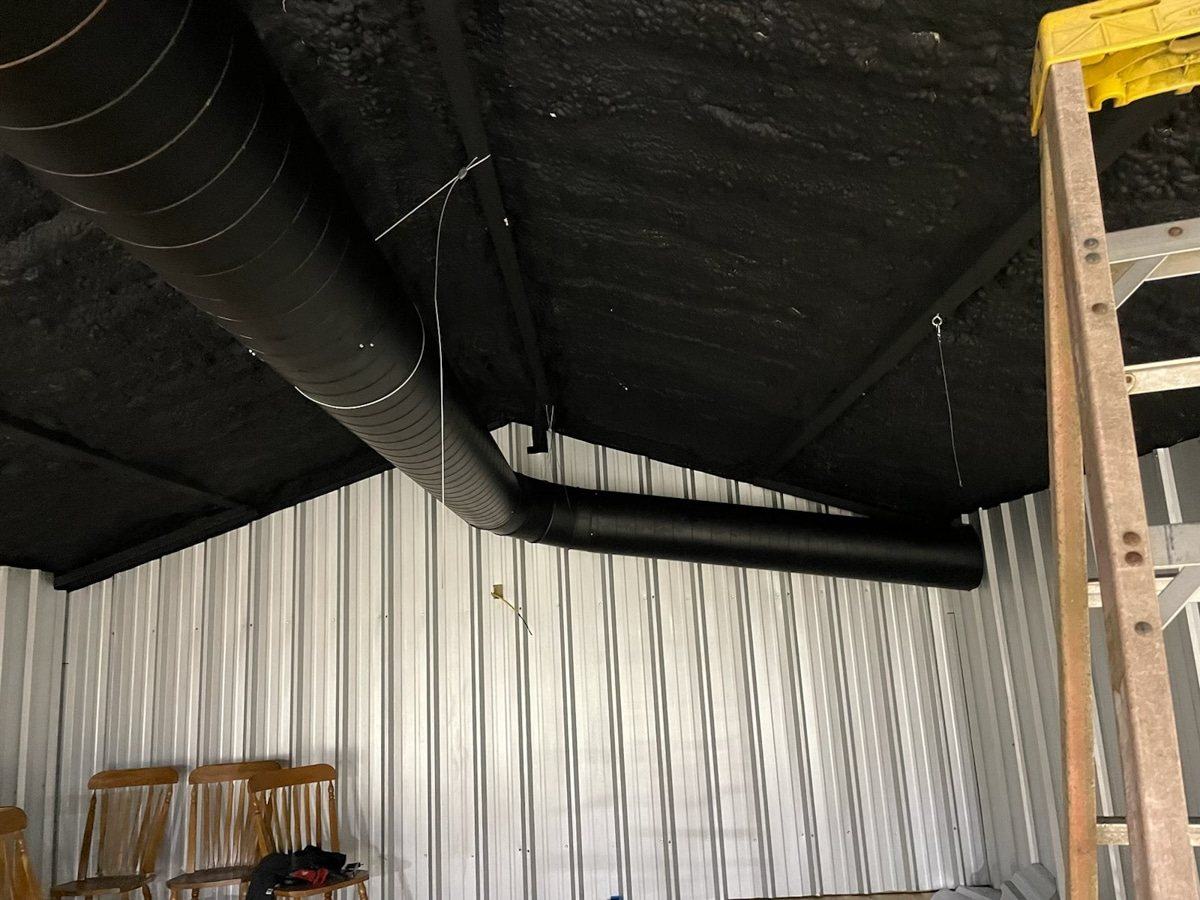
Spray foam for warehouses, churches, offices, restaurants, schools and commercial metal buildings across South Mississippi.
Learn more →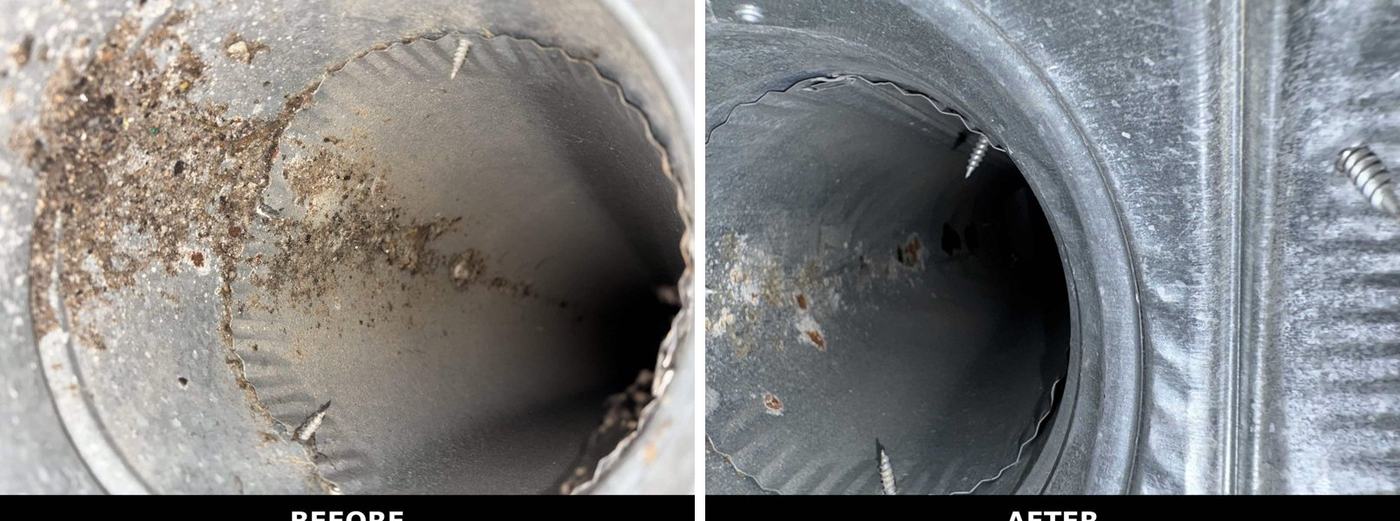
Whole-home air duct cleaning and dryer vent cleaning, with before-and-after photos so you can see exactly what came out.
Learn more →Tell us about your project and we’ll send a clear, written quote fast. No pressure, no obligation.
 South MS Spray Foam